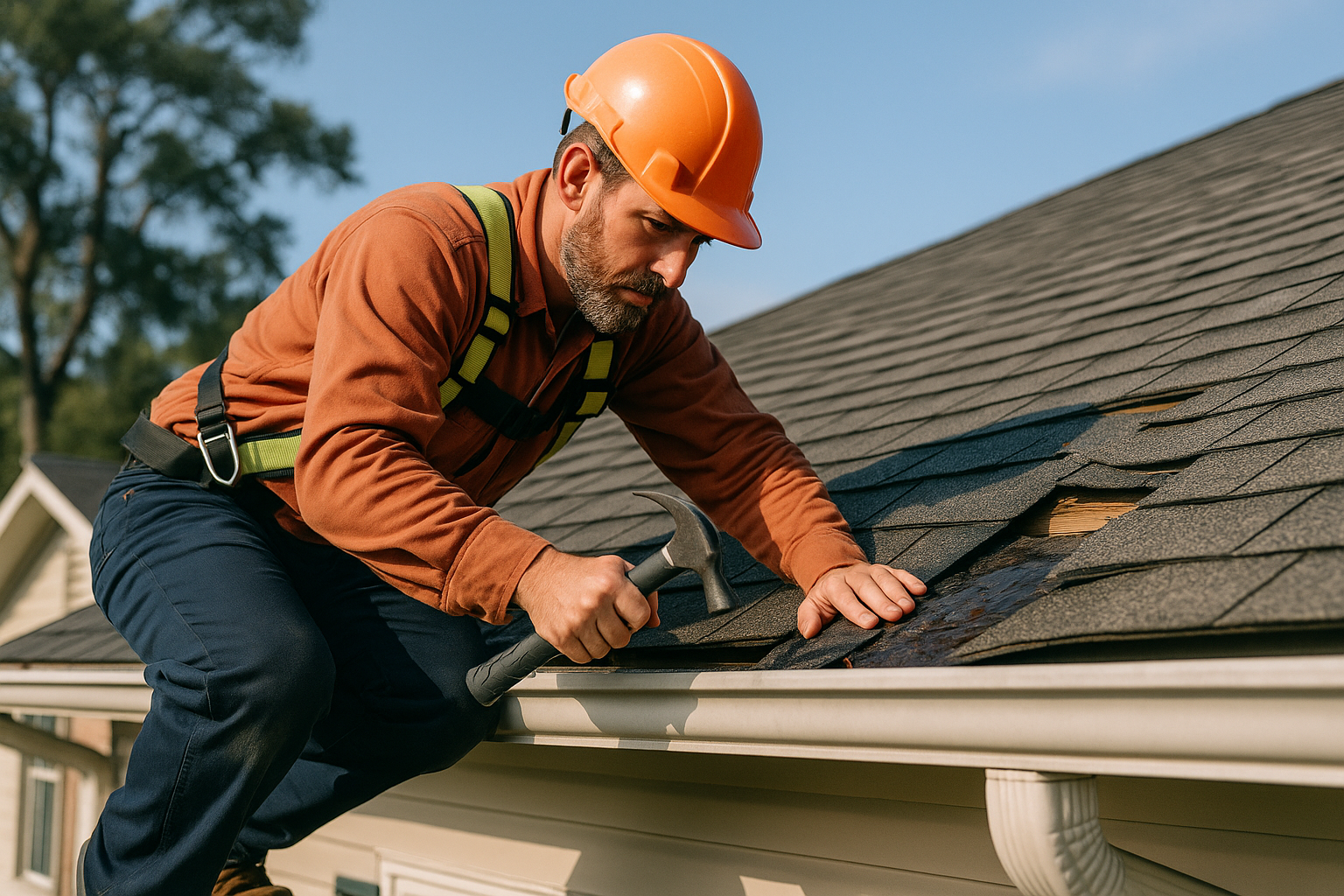
What Roof Damage Does Storm Surge Cause in Georgetown Savannah
Storm surge in Georgetown Savannah causes extensive roof damage including shingle displacement, structural compromise, water infiltration through compromised seals, and complete roof system failure in severe cases. The combination of high winds and flooding creates unique challenges for coastal roofing systems.
Understanding Storm Surge Impact on Roofing Systems
Storm surge occurs when hurricane-force winds push ocean water inland, creating devastating floods that can reach several feet above normal sea levels. In Georgetown and other low-lying areas of Savannah, this phenomenon poses serious threats to residential and commercial roofing systems. The roof damage storm surge Georgetown Savannah experiences typically involves multiple failure points occurring simultaneously.
Unlike typical wind damage, storm surge combines the destructive force of moving water with debris impact and prolonged exposure to moisture. This creates a perfect storm for comprehensive roofing system failure that extends far beyond surface-level damage.
Primary Types of Storm Surge Roof Damage
Shingle and Material Displacement
High-velocity water flow strips away roofing materials with tremendous force. Asphalt shingles, metal panels, and tile systems can be completely removed, leaving underlying structures exposed. The roof damage storm surge Georgetown Savannah properties experience often includes entire sections of roofing materials scattered across neighborhoods.
Structural Weakening and Collapse
Prolonged water exposure weakens roof decking, support beams, and trusses. When combined with the weight of standing water and debris accumulation, structural components can fail catastrophically. Properties in Georgetown's flood-prone areas are particularly vulnerable due to their proximity to tidal waterways.
Water Infiltration and Interior Damage
Storm surge creates multiple entry points for water penetration. Even minor breaches in roofing systems allow massive amounts of water to enter homes and businesses. This leads to ceiling collapse, electrical system damage, and extensive interior flooding that compounds the initial roof damage storm surge Georgetown Savannah residents face.
Factors That Worsen Storm Surge Roof Damage
Several environmental factors unique to Savannah's coastal location amplify storm surge damage. The area's high humidity levels, averaging 75-80% year-round, create conditions where roofing materials remain saturated longer, increasing deterioration rates. Additionally, debris carried by surge waters - including trees, vehicles, and building materials - impacts roofs with devastating force.
The flat topography of Georgetown and surrounding areas means storm surge waters move slowly, creating prolonged exposure periods that saturate roofing systems completely. This extended contact time allows water to penetrate even small vulnerabilities in roofing materials.
Prevention and Mitigation Strategies
Impact-Resistant Roofing Materials
Installing hurricane-rated roofing systems significantly reduces roof damage storm surge Georgetown Savannah properties sustain. Impact-resistant shingles, reinforced metal roofing, and properly sealed membrane systems provide better protection against both wind and water damage.
Proper Drainage Systems
Effective gutters, downspouts, and drainage solutions help manage water flow during storm events. While these systems cannot prevent storm surge damage entirely, they reduce the likelihood of water accumulation that leads to structural failure.
Regular Maintenance and Inspection
Proactive roof maintenance identifies vulnerabilities before storm season arrives. Professional inspections can detect loose materials, damaged flashing, and compromised seals that become major failure points during storm surge events.
Post-Storm Recovery Considerations
After storm surge events, immediate professional assessment is crucial for determining the extent of damage and preventing secondary issues like mold growth. The combination of Savannah's high humidity and storm-related moisture creates ideal conditions for rapid mold development, making quick action essential.
Property owners should document all damage thoroughly for insurance purposes and avoid attempting repairs until professional contractors can assess structural integrity. The complex nature of roof damage storm surge Georgetown Savannah experiences requires specialized expertise to address properly.
Working with experienced local roofing contractors who understand coastal storm damage patterns ensures proper restoration techniques and materials selection. These professionals can recommend improvements that better protect against future storm surge events while meeting local building codes and insurance requirements.
Frequently Asked Questions
- How high can storm surge reach in Georgetown Savannah?
- Storm surge in Georgetown can reach 6-12 feet above normal sea level during major hurricanes, depending on storm intensity and tidal conditions at landfall.
- Can my roof survive Category 3 hurricane storm surge?
- Standard roofing systems rarely survive Category 3 storm surge intact. Impact-resistant materials and proper installation significantly improve survival rates but cannot guarantee complete protection.
- How quickly should I repair storm surge roof damage?
- Storm surge roof damage requires immediate professional assessment within 24-48 hours to prevent mold growth and further structural deterioration in Savannah's humid climate.
- Does homeowner's insurance cover storm surge roof damage?
- Standard homeowner's insurance typically excludes flood damage including storm surge. Separate flood insurance through NFIP or private carriers covers storm surge roof damage.
- What roofing materials best resist storm surge damage?
- Metal roofing systems, impact-resistant shingles, and properly installed membrane roofing offer the best protection against storm surge damage in coastal areas like Georgetown.
About the author: Angela Reeves, Managing Editor, Savannah Roofing Solutions. Angela has spent over a decade researching roofing materials and installation practices while helping Savannah-area homeowners understand their options. Her background in consumer advocacy has given her deep insight into the challenges property owners face when selecting reliable roofing contractors. She's passionate about connecting residents with trusted local professionals who deliver quality workmanship.
More roofing guides for Savannah
Need roofing help in Savannah?
Get matched with a vetted local pro — free, no obligation.